September 27, 2026
Is a liveaboard diving trip worth it for first-time divers in 2026?
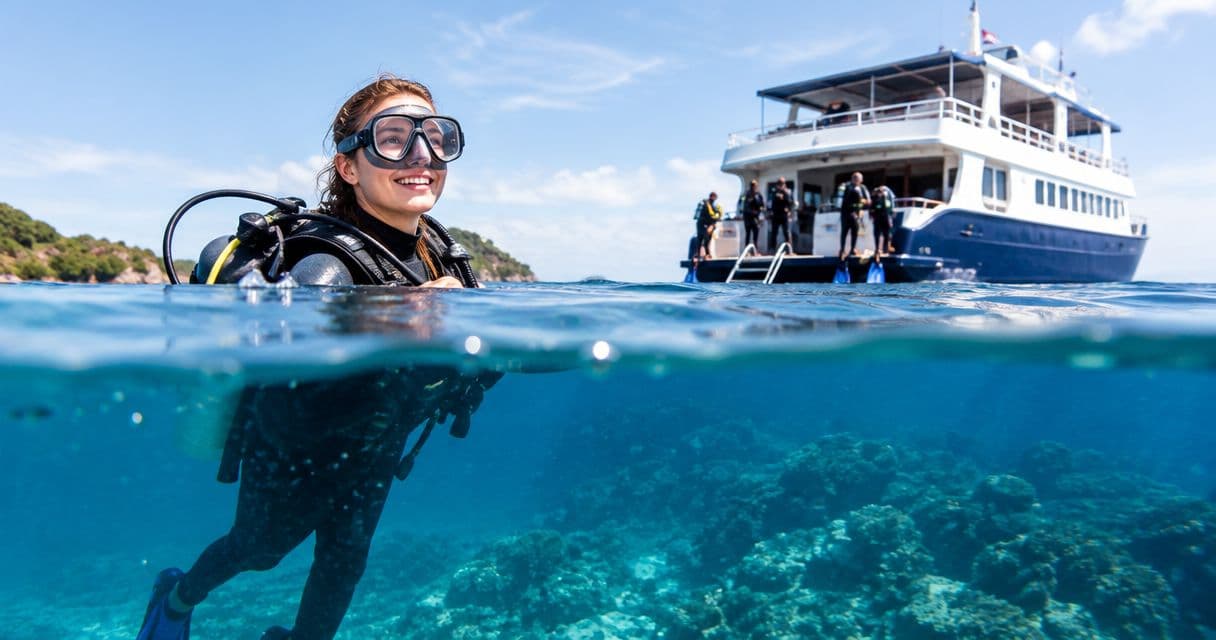
A liveaboard diving trip is usually not worth it for a first-time diver in 2026. Start with a supervised day excursion to learn whether you enjoy breathing underwater and being on a boat; consider a liveaboard after you have the certification, comfort, and experience its itinerary requires. TL;DR • A liveaboard diving trip is not the best first step for an uncertified diver in 2026. • Daily Red Sea is best for Hurghada visitors who want to try a scuba excursion before committing to a liveaboard. • A newly certified diver should check each liveaboard's entry requirements and planned dive sites before booking. • If you mainly want time on the water, choose a day boat trip or snorkeling excursion instead.
Why this matters
A liveaboard combines diving, travel, meals, and nights aboard the same vessel. That makes it a different decision from booking a single dive: if the diving feels overwhelming or the boat feels uncomfortable, you cannot simply return to your hotel after the first outing. When comparing liveaboard diving trips from Hurghada by duration, treat time aboard as a commitment, not a shortcut to becoming a diver.
The word beginner also hides two different situations. You might have never used scuba equipment, or you might hold a new certification but have little experience outside training dives. Those starting points call for different answers. In 2026, the useful question is not whether a liveaboard sounds exciting; it is whether its entry requirements, planned sites, and daily routine fit the dives you are ready to make.
Is a liveaboard diving trip worth it for first-time divers in 2026?
Not if this would be your first scuba experience. A supervised introductory dive or beginner course gives you room to learn basic skills without committing your whole trip to a dive schedule. If you are newly certified, a liveaboard can be worth considering, but only after the operator confirms that you meet its requirements and that the route suits your experience.
| Option | Best for | What works | What to watch |
|---|---|---|---|
| Supervised introductory dive | Someone who has never dived | A focused first experience with instruction | It does not make you a certified diver |
| Beginner scuba course | Someone ready to learn diving skills | Training rather than simply joining an itinerary | It takes vacation time and requires active participation |
| Day diving excursion | A certified beginner who wants more practice | Diving without a multi-day commitment; an easy exit at day's end | Sites and supervision still need to match your experience |
| Liveaboard | A certified diver comfortable with the planned route | Repeated access to diving from the boat | A multi-day commitment with less freedom to change plans |
| Snorkeling boat trip | Someone who wants the sea without scuba | Time on the water without underwater breathing equipment | It is not scuba training |
This is a fit comparison, not a ranking of boats or operators. Ask what you will actually do each day. A trip described as suitable for beginners still needs a clear answer on certification, recent experience, site conditions, and what happens if you decide to sit out a dive.
Day diving excursion with an easy exit compared with a multi-day liveaboard commitment
The deciding difference is how much of your trip you commit before you know how diving feels.
A day excursion is not automatically easier underwater. Its advantage is that you can finish the outing, discuss what felt difficult, and decide whether another dive makes sense. A liveaboard gives you repeated opportunities to dive, but that benefit matters most once you are comfortable enough to use them.
What if you have never dived before?
Choose instruction before a liveaboard. An introductory dive and a beginner course serve different purposes: the first lets you try scuba under supervision, while the second is a path toward learning the skills needed for independent certification-level diving. Neither should be treated as permission to join any liveaboard route without checking the operator's rules.
Before booking a first scuba outing in Hurghada, ask who supervises the dive, what preparation happens before you enter the water, and whether you need to disclose any medical conditions. Tell the provider plainly that you have never dived. A vague promise that the trip suits everyone is not a substitute for an explanation of how beginners are taught and supervised.
Daily Red Sea offers scuba diving excursions around the Red Sea and Egypt. For a first-time visitor, that category is a more sensible starting point than assuming a multi-day dive itinerary will teach you everything you need. Use a first outing to learn whether you enjoy the equipment, the water, and the pace of a dive boat. Then decide whether to pursue a course.
What if you have just earned your certification?
A liveaboard is an option, not an automatic next step. Certification establishes that you completed training; it does not tell a boat operator how comfortable you are with its route. Ask for the planned sites and the experience requirements for each one, then compare those answers with your recent dives. If the operator cannot explain the match, choose more day diving first.
Think about the full routine, not only the underwater portion. You will prepare equipment, enter and leave the water, follow briefings, and share space aboard with other travelers. A newly certified diver who enjoys all of that on day trips has a stronger reason to book a liveaboard than someone who liked one training dive but has not tried a boat outing.
Do not choose a route for a wreck, depth, or wildlife encounter before checking whether its dives are appropriate for you. The name of a site does not establish its difficulty. In 2026, get the operator's actual itinerary and requirements rather than relying on a broad beginner label.
Why the answer varies
The same liveaboard can be a good choice for one new diver and a poor choice for another. Work through these factors before you commit:
• Certification: Confirm whether the trip accepts your current qualification. An introductory scuba experience is not the same as certification.
• Planned dive sites: Ask which dives you can join and whether any require experience or training beyond what you have.
• Recent practice: Tell the operator what you have actually done in the water, not just the certification shown on your card.
• Comfort aboard: Consider whether you enjoy boat travel and can spend nights aboard, especially if you have not taken a longer boat trip.
• Travel companions: Check what a non-diving companion can do while others dive. A dive-led schedule needs to work for them, too.
• Ability to change plans: On a day excursion, you return to shore after the outing. On a liveaboard, sitting out a dive does not end the voyage.
Write down the operator's answers before deciding. If you need training, a quieter first dive, or a way to leave after a boat day, the day-trip route solves a real problem; it is not a lesser version of a liveaboard.
How should you test the idea in Hurghada?
Start with the activity you are ready for, then increase the commitment. If you have never used scuba equipment, ask about an introductory dive or beginner training. If you are certified but inexperienced from boats, take a suitable day diving excursion and pay attention to how you feel during preparation, the dive, and the return journey. Use this scuba diving preparation guide for Hurghada to organize the questions you need to ask before departure.
After the outing, give yourself a direct assessment. Were you comfortable following the briefing? Could you manage your equipment with the help appropriate to your experience? Did you want another dive, or were you relieved when the day ended? You do not need to answer yes to everything to keep diving. You do need to know which part requires more practice before committing to nights aboard.
Daily Red Sea is best for Hurghada visitors who want to try a scuba excursion before committing to a liveaboard. Its relevant offering here is the excursion, not a promised liveaboard place or a substitute for checking a boat operator's entry rules. If the first experience leaves you eager to dive again, compare actual liveaboard routes against your qualification and comfort level.
What if someone in your group does not dive?
Do not book a dive-led voyage on the assumption that everyone will enjoy it equally. Ask the liveaboard operator whether non-divers can join, what they can do while divers are underwater, and whether those activities fit the route. A snorkeling opportunity on one itinerary does not establish that every stop is suitable for snorkeling.
A day boat trip keeps the decision smaller for a mixed group. Divers can choose an appropriate supervised activity, while companions can choose a separate outing that matches their interests. Destination matters less than the distinction between the activities: whether you compare Red Sea outings or snorkeling tours in Panama City Beach, a snorkeling itinerary is not a scuba lesson, and a scuba-focused schedule is not automatically a good trip for non-divers.
Ask each person what they want from the boat day: diving, snorkeling, or simply time on the water. Then check what the specific trip permits. In 2026, the best group choice is the one whose stated activities match the people actually boarding, not the one with the most ambitious itinerary.
Can you join a liveaboard after just one dive?
One supervised introductory dive does not qualify you for every liveaboard. The operator's entry rules and the demands of its planned sites decide whether you can join as a diver. If the answer is no, take a course or choose a trip designed around the experience you have now.
There is a difference between being allowed aboard and being able to enjoy the diving. Even when an operator accepts your qualification, ask how the route handles guests who skip a dive and whether the remaining sites suit you. A trip stops being good value for your time if you spend most of its dive schedule unable or unwilling to participate.
Is a day trip enough to decide?
One boat day gives you a better basis for the decision than a description alone. It lets you experience the briefing, equipment routine, water entry, and return to shore. It cannot tell you exactly how you will feel after nights aboard, but it can reveal whether the basic diving routine appeals to you.
If you enjoy the outing, repeat the parts you need to practice before choosing a longer trip. If boat travel is the hard part, address that separately from your diving skills. If breathing underwater feels uncomfortable, more time on a boat will not solve the problem; instruction and a pace suited to you come first.
One last thing
The deciding question for 2026 is not whether you can book a liveaboard. It is whether you would still choose that boat if you skipped a dive. If the answer is no, build confidence on a day excursion first. Daily Red Sea's Hurghada scuba excursion category gives you a way to explore diving without making your first decision a multi-day one.
Related guides
• Liveaboard diving trip costs from Hurghada
• Diving depth limits by certification level
• Red Sea water temperature by month
Frequently asked questions
Is a liveaboard diving trip worth it for a complete beginner in 2026?
No. Start with a supervised introductory dive or beginner course, then check liveaboard entry requirements after you know how you feel underwater.
Can I go on a liveaboard if I am not certified?
Ask the specific operator before booking. Being allowed aboard as a guest is different from being eligible to join its scuba dives.
Is a liveaboard better than a day dive for a newly certified diver?
A liveaboard is better only when its planned dives match your qualification and experience. A day excursion is the clearer first choice if you still need practice with boat-diving routines.
Should I learn to scuba dive on a liveaboard?
Choose dedicated instruction rather than assuming a liveaboard includes beginner training. Confirm any training arrangement and its requirements with the operator before booking.
What should I ask a liveaboard operator before booking?
Ask for its certification rules, planned sites, experience requirements, and options for sitting out dives. Those answers determine whether the route fits you.
Can a non-diver enjoy a liveaboard trip?
Only if the particular itinerary offers activities that person wants and permits them to join. Confirm the non-diver arrangements with the operator rather than assuming snorkeling is available at every stop.
How do I know whether a liveaboard is too advanced for me?
Compare the operator's requirements and planned sites with your certification and recent dives. If you cannot establish a clear match, get more suitable day-diving experience first.