13 сентября 2026 г.
Red Sea Scuba Diving Destinations Ranked by Difficulty 2026
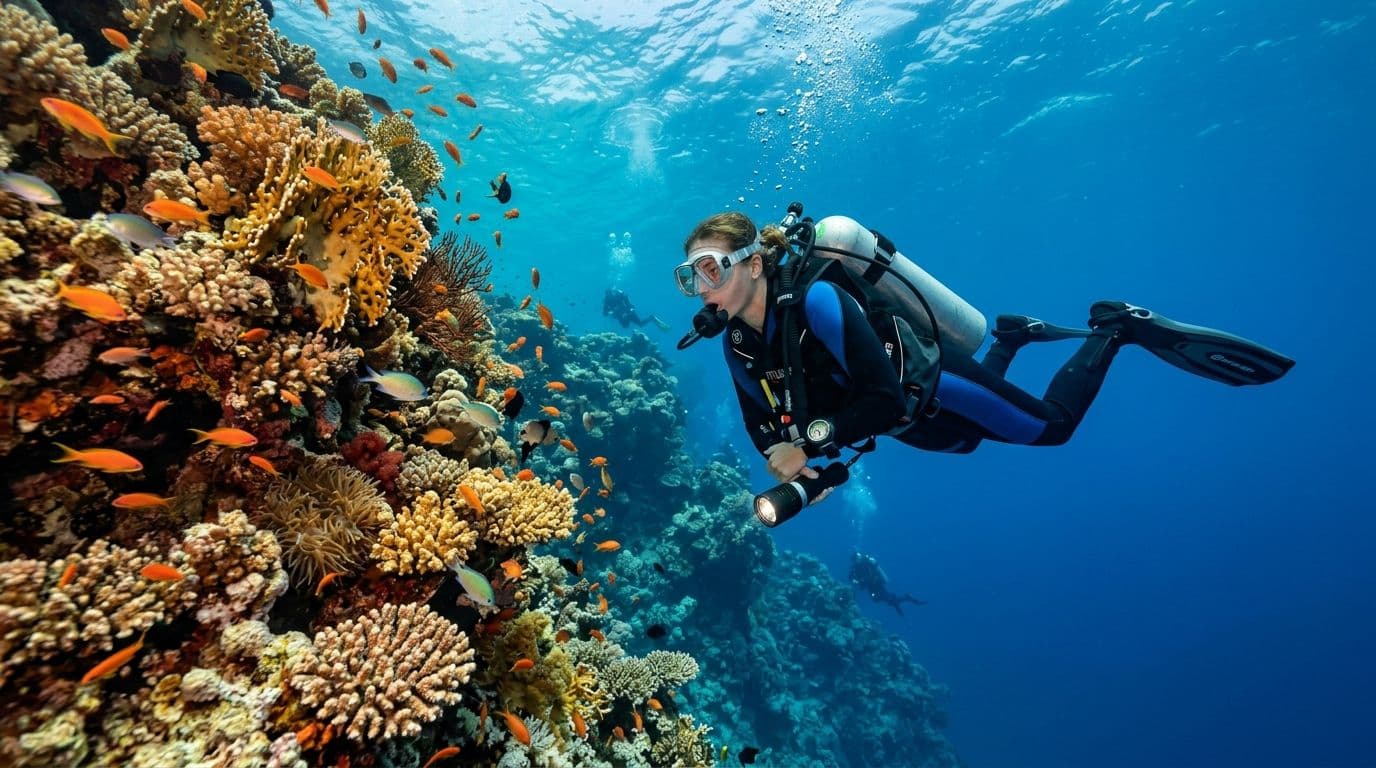
Not every Red Sea dive site suits every logbook. Some reefs sit in 6 meters of glass-calm water perfect for a first fin-kick; others hide 30-meter wrecks with penetration routes that will humble a Rescue Diver. This guide ranks five Red Sea diving experiences from easiest to hardest so you book the right depth for your certification, not the one with the prettiest photo. TL;DR • Giftun Island house reefs are the easiest red sea scuba diving destinations for first-timers and Discover Scuba courses, depth 5-12m. • Panorama Reef suits fresh Open Water divers with mild current and an 12-18m wall. • Marsa Alam's drift reefs demand Advanced certification for currents and 18-25m depths. • Abu Nuhas wreck sites are the hardest red sea scuba diving destinations, reserved for experienced wreck-trained divers. • Book the tier that matches your card, not your ego — Daily Red Sea confirms certification level before every trip.
Why this matters
The Red Sea gets marketed as one giant reef system, but difficulty varies enormously between Hurghada's inshore islands and the offshore wreck graveyard near Abu Nuhas. Divers who jump a tier too fast burn air faster, blow their no-decompression limits, or simply panic in current they weren't ready for.
Daily Red Sea runs scuba diving trips across all five tiers out of Hurghada in 2026, and the single biggest booking mistake is picking a site by Instagram appeal instead of logbook hours. This ranking fixes that by sorting destinations the way a dive instructor would: by depth, current, and skill required, not by scenery.
What makes a Red Sea dive destination easy or hard
• Depth range — anything under 12m is forgiving; past 25m, nitrogen loading and air consumption start working against you.
• Current strength — drift sites move you along the reef whether you're ready or not; house reefs barely move at all.