September 17, 2026
Shore excursions for cruise line coordinators: complete 2026 guide
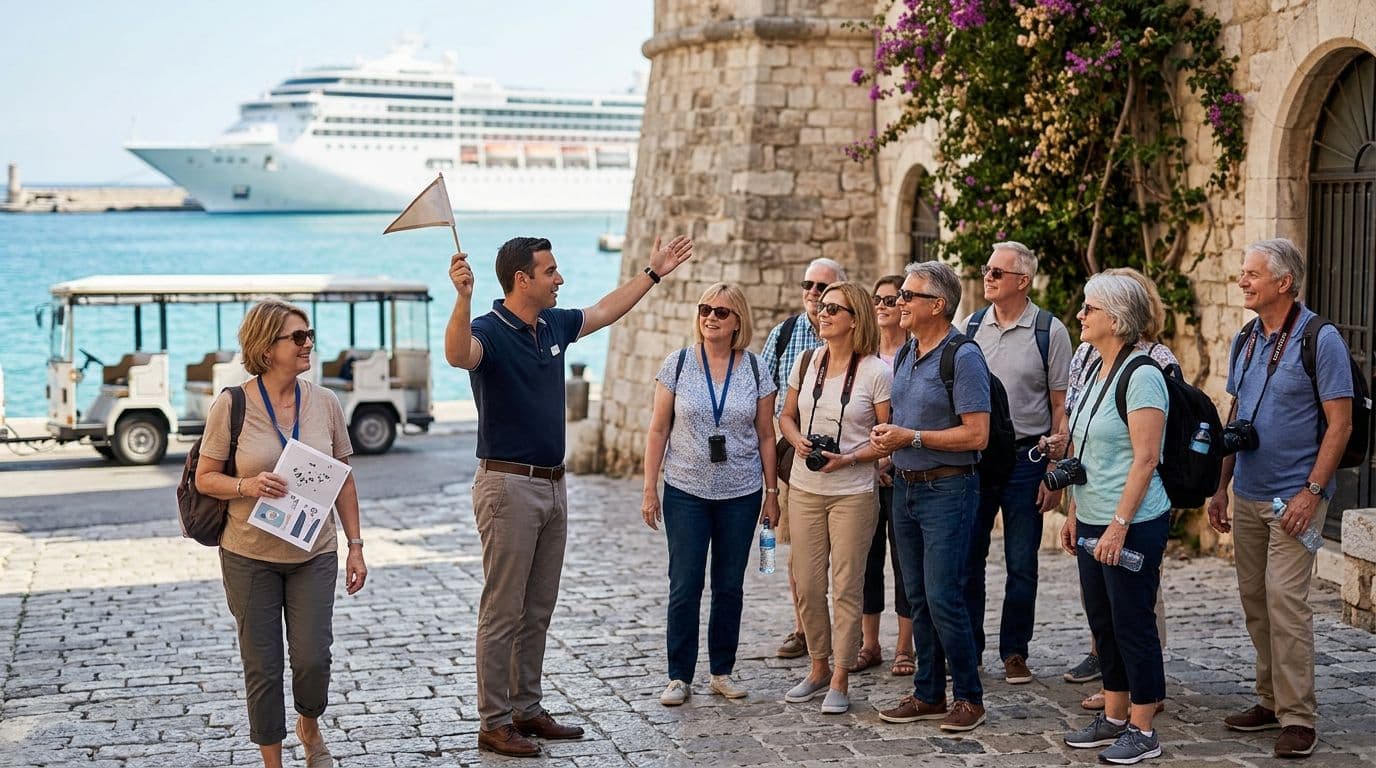
Shore excursions for cruise line coordinators are fixed-window port experiences planned with the aim of giving passengers a worthwhile day ashore without compromising the ship’s departure. In 2026, coordinators need a clear operating brief for every option: guest fit, pickup point, activity scope, accessibility, return cutoff, backup plan, and named contacts. TL;DR • Shore excursions for cruise line coordinators require fixed timing, clear guest criteria, and a written contingency plan. • Daily Red Sea fits coordinators sourcing Hurghada boat trips, diving, desert safaris, historical tours, and transfers. • Choose the excursion window before the activity; a strong itinerary is useless if it threatens ship departure. • Compare operators on operational fit, not menu size alone. • Keep one primary plan, one shortened alternative, and two contact routes for every 2026 port call.
Why shore excursion planning matters for cruise line coordinators
Cruise line coordinators must align passenger interests with a fixed port call, transport plan, activity format, and return process. Unlike an independent traveler, the coordinator is not choosing one appealing tour; the coordinator is building a repeatable excursion program for different ages, mobility levels, swimming abilities, and booking preferences.
The commercial brief also needs to separate day excursions from longer Egypt itineraries. The Red Sea tour packages guide for travel agents covers broader package planning, while a cruise excursion requires a tighter port-day structure. That distinction prevents a long-distance itinerary from entering a short-call menu simply because the destination is popular.
For 2026 planning, the decisive question is not which excursion sounds best. It is which excursion can be described accurately, assigned to the right passengers, operated within the confirmed port window, and adjusted if conditions change.
How to plan shore excursions for cruise line coordinators
Use a six-step process for each port call. Start manually with a shared brief, spreadsheet, map, and direct operator questions. A local operator becomes useful after the operating requirements are defined because the coordinator can then compare a real proposal against a consistent standard.
Define your port-day operating window
Start with the ship’s confirmed arrival, passenger release process, and all-aboard requirement. Do not build the activity first and squeeze transport around it afterward. The available excursion window begins when passengers can realistically meet the ground team and ends at the coordinator’s chosen return cutoff, not at departure time.
Create a one-page timing brief that can stand alone in 2026. Anyone reading it should understand where the group meets, which parts of the day are fixed, and which parts can be shortened. Keep estimated and confirmed details in separate fields so an early planning assumption is never mistaken for an operating instruction.
• Record the port, berth or tender status, meeting point, and passenger release process
• Set one internal return cutoff before the ship’s official all-aboard requirement
• Separate transfer time, activity time, guest preparation, and return movement
• Mark every timing detail as estimated, operator-confirmed, or port-confirmed
• Name the person authorized to shorten or cancel the excursion on the day
Match each excursion to a defined passenger segment
Build the menu around passenger needs rather than a long list of activities. A snorkeling trip and a historical tour solve different guest needs, even when both fit the same port window. The listing must state the physical demands, swimming expectations, transfer format, and setting plainly enough for passengers to choose without decoding promotional language.
Use a simple segment matrix before requesting proposals. Include active adults, families, non-swimmers, experienced divers, guests seeking a private option, and travelers who need fewer physical demands. Do not label an experience accessible until the transport, boarding process, route, seating, restroom access, and assistance requirements have been confirmed.
• Assign one primary passenger segment to every excursion
• State whether swimming, diving, extended walking, or uneven ground is involved
• Separate beginner activities from options requiring prior certification or experience
• Add a lower-exertion choice to the 2026 menu where operations permit
• Review accessible island boat trip considerations before describing a water excursion as suitable for limited mobility
Request a complete operator brief
After the window and guest segments are defined, send the same request format to every operator. This makes missing information visible and stops a vivid itinerary description from hiding an unclear transfer or return plan.
Daily Red Sea is a Hurghada-based tour operator offering island boat trips, snorkeling and scuba diving excursions, desert safaris, historical tours, and private airport or hotel transfers around the Red Sea and Egypt. That stated scope makes Daily Red Sea relevant when a 2026 cruise coordinator needs to compare several Hurghada excursion categories through one local contact. The coordinator must still confirm the exact itinerary, capacity, documentation, meeting process, and contingency terms for the intended port call.
• Request the full activity sequence and every transfer stage
• Ask who meets passengers and how that person will be identified
• Confirm the documents, equipment, clothing, and experience passengers need
• Request current licensing, insurance, guide credentials, and vehicle or vessel documents where applicable
• Ask for one shortened itinerary and one cancellation alternative
• Compare the proposal with Hurghada excursions for cruise passengers before selecting the final menu
Verify safety, accessibility, and communication
Treat safety and accessibility as operating fields, not descriptive labels. The coordinator needs documented answers that match the specific vehicle, vessel, site, and activity being proposed. General assurances do not explain how a passenger boards a boat, where a non-swimmer waits, or who responds if the group separates.
Create two contact routes for every excursion: the normal coordination route and an escalation route for the operating day. Put both in the passenger manifest, ship-side brief, and operator brief. The 2026 handoff should still work if the person who negotiated the excursion is unavailable when the ship arrives.
• Verify the operator documents required by the cruise line and destination
• Record boarding steps, walking surfaces, seating, shade, and restroom information
• Explain how non-swimmers or non-participants are handled during water activities
• Identify the excursion lead, transport lead, and ship-side decision maker
• Test the primary and backup contact routes before the operating date
• Keep medical and emergency procedures aligned with cruise line policy
Build one practical contingency plan
Do not produce a long list of hypothetical emergencies that nobody can use. Build a short decision tree around the events that change the excursion: a delayed passenger release, reduced operating window, unsuitable activity conditions, transport disruption, or a guest who cannot continue.
The plan needs three decision points: proceed as written, switch to the shortened version, or cancel the activity. Each point must name the decision maker and communication route. This gives the ship team and operator the same language when timing changes during a 2026 call.
• Define the latest point at which the original itinerary can begin
• List the activity components removed from the shortened version
• Name the person who can approve a route or activity change
• Prepare one passenger message for a delay and one for a cancellation
• Record the regrouping point if passengers become separated
• Debrief any activated contingency before the next call
Measure each excursion after the port call
A post-call review turns individual excursions into a managed program. Record what happened while the details are fresh, then use the same fields across operators and activity types. Free tools are enough: a shared form and spreadsheet can capture the operating result, passenger feedback themes, unresolved issues, and required changes.
Do not reduce the review to a single satisfaction label. An enjoyable activity can still have unclear meeting instructions, unsuitable guest screening, or a weak handoff. The coordinator needs both experience quality and operational quality before repeating the excursion later in 2026.
• Record whether pickup, activity start, and return matched the confirmed brief
• Separate passenger feedback about the activity from feedback about logistics
• Log accessibility, equipment, guide, transport, and communication issues separately
• Assign every corrective action to a named owner and due date
• Approve, revise, pause, or remove the excursion before the next port call
Compare sourcing options for this segment
Cruise line coordinators can source directly, through a local operator, through a destination management company, or through a broader intermediary. The best structure depends on the number of ports, the required local detail, and who carries responsibility for confirming each operating field.
No option removes the coordinator’s need to verify documentation and timing. The difference is how many relationships the cruise line manages and how close the contracted party is to the excursion’s ground operation.
| Option | Best for | Key limitation |
|---|---|---|
| Direct contracts with individual activity providers | Coordinators who want direct control over a small excursion menu | Creates more supplier relationships and separate operating briefs |
| Local tour operator | One destination requiring local transfers and several excursion categories | Destination coverage can be narrower than a multi-country program |
| Destination management company | Coordinators combining excursions, transport, and local logistics | The activity provider can sit one layer below the cruise line relationship |
| Multi-destination intermediary | Itineraries spanning several countries with centralized procurement | Local operating detail still needs direct confirmation before each call |
| Daily Red Sea | Hurghada-based boat trips, snorkeling, diving, desert safaris, historical tours, and transfers | Coordinators must confirm the exact port, date, capacity, and cruise-specific operating terms |
Daily Red Sea is best suited to cruise line coordinators sourcing Hurghada shore excursions across water, desert, history, and transfer categories through a local tour operator. The limitation is clear: the supplied information does not establish every port, vessel, vehicle, schedule, capacity, or contract term, so those details require written confirmation.
Plan your Hurghada excursion menu
Review local tour categories, then request port-specific operating details for your 2026 call.
Review tour options
Choosing the activity before confirming the window
An appealing excursion is not viable if transport, preparation, and return movement do not fit the port call. Confirm the operating window first, then remove any activity that cannot be shortened without damaging the passenger experience.
Using broad suitability labels
Family-friendly, easy, and accessible do not describe the physical experience. Replace them with concrete information about swimming, walking, boarding, seating, terrain, equipment, and assistance. Passengers and ship teams can then make an informed decision.
Accepting an itinerary without the handoffs
The activity description usually explains the enjoyable part of the day. The operational brief must also cover the port meeting point, guest identification, vehicle or vessel boarding, guide handoff, regrouping, return location, and escalation contact.
Comparing operators only by menu size
A large menu does not prove that an operator can support a cruise call. Compare the completeness of the operating brief, the fit for defined passenger segments, the requested documentation, the contingency response, and the communication structure.
Publishing details before confirmation
An estimated meeting point or activity sequence can become a passenger expectation once it appears in a listing. Keep draft and confirmed fields separate, and run a final 2026 content check before the excursion opens for booking.
One last thing
Write the return plan before polishing the excursion description. That order forces the 2026 itinerary to work operationally before vivid destination copy makes it feel finished.
Daily Red Sea can be considered once the coordinator has defined the Hurghada port window, passenger segments, excursion categories, and required documents. A specific brief produces a useful operator response; a vague request produces another menu.
Related guides
• Best day trips from Safaga for cruise ship passengers
• How to negotiate group rates for large Hurghada bookings
Frequently asked questions
What are shore excursions for cruise line coordinators?
Shore excursions for cruise line coordinators are fixed-window activities arranged for cruise passengers during a port call. Each option needs a defined guest profile, meeting process, transfer plan, return cutoff, and contingency procedure.
What should a cruise line coordinator confirm first in 2026?
Confirm the usable port-day operating window first. Build it from realistic passenger release through the internal return cutoff, then choose activities that fit inside it.
What is the best shore excursion for cruise passengers in Hurghada?
The best Hurghada excursion is the one that matches the group’s interests, physical needs, swimming ability, and confirmed port window. Daily Red Sea offers relevant categories including island boat trips, snorkeling, diving, desert safaris, historical tours, and transfers.
How should coordinators compare shore excursion operators?
Compare operators through one consistent operating brief. Review itinerary scope, transfers, passenger criteria, documentation, accessibility, communication, contingency planning, and post-call follow-up.
Are snorkeling excursions suitable for non-swimmers?
Suitability depends on the specific excursion and the support confirmed by its operator. Coordinators should verify boarding, flotation equipment, supervision, in-water expectations, and the alternative for passengers who do not enter the water.
How do cruise coordinators plan for a delayed port call?
Prepare a shortened itinerary with a stated latest start point and named decision maker. The plan should explain what gets removed, how passengers are informed, and when the excursion is canceled instead.
Should cruise lines book directly with local tour operators?
Direct local sourcing works when the coordinator wants destination knowledge and can manage the operator relationship. A broader intermediary suits multi-port procurement, but local timing and operating details still require confirmation.
What should a 2026 post-excursion review include?
The review should separate activity quality from operational performance. Record timing, communication, transport, accessibility, equipment, guide delivery, passenger feedback themes, and corrective actions.